Refrigerators have evolved significantly in recent years, with manufacturers introducing new technologies designed to improve cooling performance, reduce energy consumption, and extend appliance lifespan. One of the most notable innovations is linear compressor technology, which is increasingly used in modern refrigerators to deliver consistent cooling and improved efficiency. For this reason, homeowners are depending on professional LG refrigerator repair in Atlanta to restore performance quickly & prevent costly spoilage.
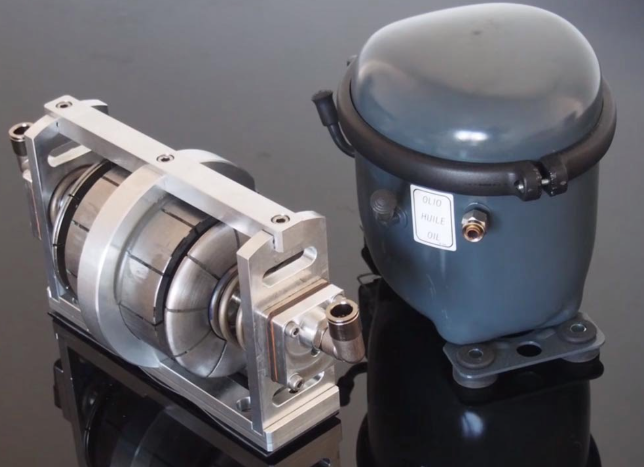
Understanding how this technology works, and how proper maintenance supports its performance, can help homeowners preserve food quality, reduce electricity costs, and extend the life of their appliances.
Key Takeaways
- Linear compressors improve energy efficiency and reduce temperature fluctuations.
- Consistent cooling helps preserve food freshness longer.
- Fewer moving parts contribute to quieter operation and reduced wear.
- Proper maintenance ensures optimal compressor performance.
- Early warning signs help prevent cooling system failure.
- Efficient refrigerators reduce environmental impact and energy costs.
- Proper airflow and storage practices enhance cooling effectiveness.
- Understanding compressor technology helps homeowners maximize appliance value.
What Makes Linear Compressors Different?
Traditional compressors operate by turning on and off repeatedly to maintain temperature levels. This start-stop cycle can cause temperature fluctuations and increase energy consumption.
Linear compressors operate differently. Instead of cycling on and off, they adjust their speed continuously based on cooling demand. This allows the refrigerator to maintain stable temperatures while using less electricity.
This smooth operation reduces mechanical stress and helps maintain consistent cooling conditions.
Benefits of Consistent Temperature Control
Stable cooling temperatures play a crucial role in food preservation. Temperature fluctuations can accelerate spoilage, affect texture, and reduce shelf life.
Linear compressor systems maintain consistent internal conditions, which helps-
- preserve freshness of produce and dairy
- reduce freezer burn
- maintain texture and flavor
- prevent bacterial growth
Consistent cooling supports both food safety and quality.
Why Energy Efficiency Matters More Than Ever?
Refrigerators operate 24 hours a day, making energy efficiency an important factor in household electricity consumption. Compressors that adjust output based on demand consume less power compared to traditional systems.
Energy-efficient refrigeration provides several advantages-
- lower electricity bills
- reduced environmental impact
- quieter operation
- improved system longevity
Efficient cooling systems help households reduce both costs and energy usage.
Reduced Noise and Improved Durability
Because linear compressors operate with fewer moving parts and avoid frequent start-stop cycles, they produce less vibration and noise.
This design also reduces mechanical wear, which can extend the lifespan of the appliance. Quieter performance is especially beneficial in open-plan homes where kitchen noise can affect living spaces.
Airflow Management and Cooling Performance
Even with advanced compressor technology, proper airflow remains essential for optimal performance.
Blocked vents, overcrowded shelves, or poor storage habits can restrict air circulation and create uneven cooling zones.
Maintaining clear airflow pathways helps ensure-
- consistent cooling across compartments
- efficient temperature regulation
- reduced compressor workload
Proper storage practices support overall cooling performance.
Warning Signs of Cooling System Stress
Modern refrigerators often provide early warning signs when cooling performance declines.
- food spoils faster than expected
- motor runs continuously
- frost accumulation increases
- interior condensation develops
- energy bills rise unexpectedly
Recognizing these indicators early can help prevent larger system failures.
Maintenance Practices to Protect Compressor Performance
Routine maintenance is essential to protect cooling efficiency and extend compressor lifespan.
Clean condenser coils every six months to improve heat dissipation.
Inspect door seals to prevent cold air loss.
Keep interior vents unobstructed to support airflow.
Avoid overloading compartments to maintain circulation.
These simple practices reduce strain on the compressor and improve efficiency.
Storage Habits That Improve Cooling Efficiency
Daily usage habits influence refrigeration performance.
Allow hot food to cool before storing.
Keep frequently used items accessible to minimize door openings.
Store food in sealed containers to manage moisture levels.
Organize compartments to maintain airflow.
Proper usage reduces temperature fluctuations and improves efficiency.
Environmental Impact of Efficient Refrigeration
Energy-efficient refrigeration systems contribute to sustainability by reducing electricity consumption and lowering greenhouse gas emissions.
By maintaining appliances properly and using energy-efficient technology, households can minimize their environmental footprint while benefiting from lower operating costs.
Sustainable appliance usage supports long-term environmental responsibility.
Repair or Replace- Evaluating Long-Term Efficiency
When cooling performance declines, homeowners must consider whether repair or replacement is the better option.
Repair is often practical when-
- the appliance is relatively new
- the issue involves replaceable components
- efficiency remains high
Replacement may be preferable when-
- compressor failure occurs
- energy consumption rises significantly
- repeated repairs become necessary
Evaluating long-term operating costs helps guide the most practical decision.
Conclusion
Linear compressor technology represents a major advancement in refrigeration efficiency and performance. By maintaining consistent temperatures, reducing energy consumption, and minimizing mechanical wear, this innovation helps preserve food quality while lowering operating costs.
However, even the most advanced systems require proper care. Maintaining airflow, performing routine cleaning, and practicing smart storage habits help protect compressor performance and ensure long-term reliability.
By understanding how modern refrigeration technology works and adopting simple maintenance practices, homeowners can enjoy quieter operation, improved efficiency, and dependable food preservation. In today’s energy-conscious world, efficient refrigeration is essential for both sustainability and everyday convenience.
FAQs
What is a linear compressor in a refrigerator?
A linear compressor adjusts its speed continuously instead of turning on and off, providing consistent cooling and improved energy efficiency.
Do refrigerators with linear compressors use less electricity?
Yes. Because they adjust cooling output based on demand, they consume less energy compared to traditional compressors.
Why is consistent temperature important for food storage?
Stable temperatures prevent bacterial growth, preserve freshness, and extend the shelf life of stored food.
How can I reduce strain on my refrigerator compressor?
Keep coils clean, ensure door seals are tight, avoid overloading shelves, and maintain proper airflow inside the unit.
How long can a modern refrigerator last with proper maintenance?
With routine care and proper usage, modern refrigerators can operate efficiently for 10–15 years or more.